Agro Exports
Agro export requirements for Nigerian commodity buyers
What bulk buyers should ask about when sourcing tigernuts, dried hibiscus, sesame seeds, packaging, documentation, and shipping terms.
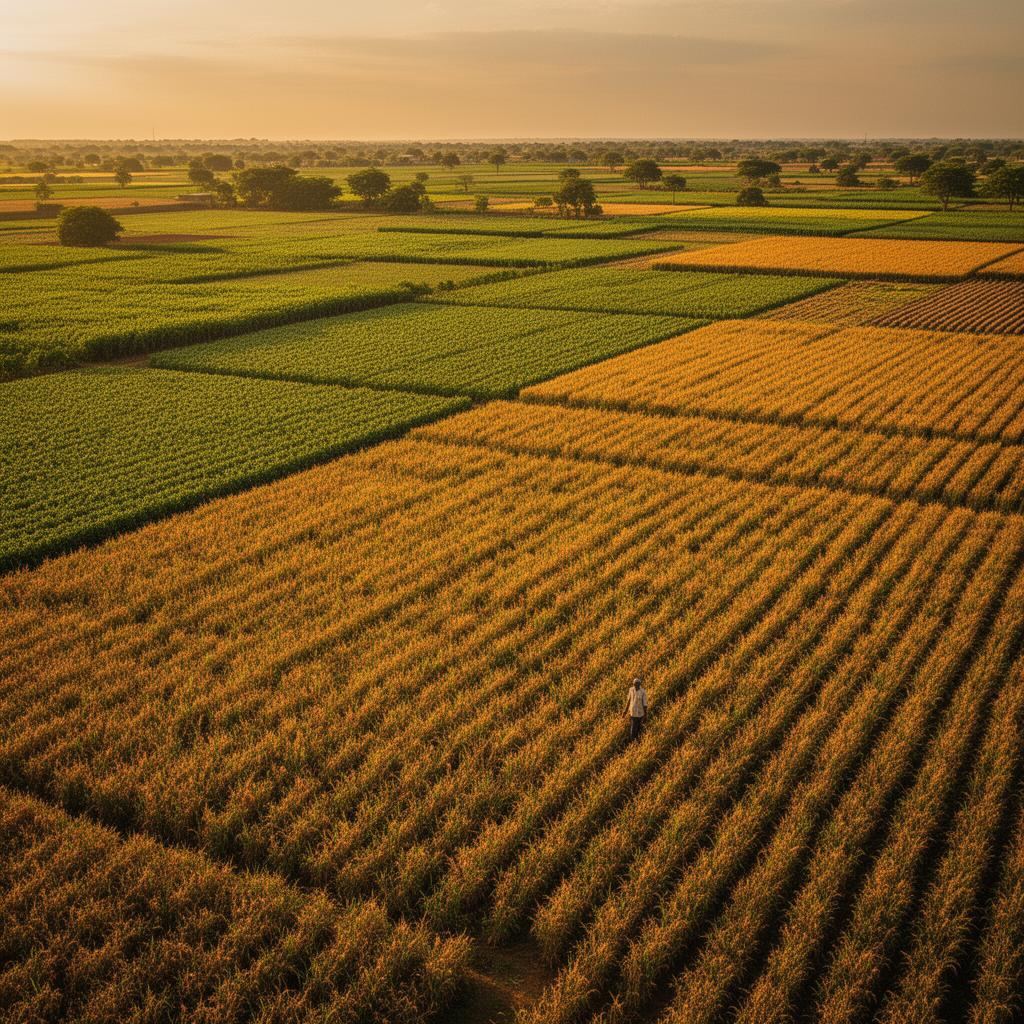
Sourcing raw commodities from Nigeria is straightforward when both parties agree on quality, documentation, and logistics upfront. This guide walks through the questions every serious buyer should be asking before placing a first order.
Quality and specifications
Every commodity has its own grade. Tigernuts are sorted by size and moisture; hibiscus by colour, cleanliness, and acidity; sesame by oil content and foreign matter. Always lock the spec in writing before payment.
- Moisture content range
- Foreign matter and admixture percentage
- Colour grade (especially for hibiscus and sesame)
- Aflatoxin and pesticide residue limits
- Pre-shipment sample agreement
Packaging
Packaging protects margin. Poorly packed cargo arrives discoloured, contaminated, or short in weight. Common food-grade options include 25 kg or 50 kg polypropylene (PP) bags with inner liners, or jute bags for premium hibiscus.
Documentation
Buyers should confirm which documents will be issued and who arranges them. A standard export from Nigeria usually includes:
- Commercial invoice and packing list
- Bill of Lading (B/L) or Airway Bill
- Phytosanitary Certificate (NAQS)
- Certificate of Origin
- SONCAP / quality inspection certificate (where applicable)
Shipping and Incoterms
Most buyers work on FOB Lagos or CIF destination port. Agree on Incoterms early, it decides who pays for inland transport, port charges, insurance, and ocean freight.
For first-time orders, a Letter of Credit or escrow-style payment via the buyer's bank protects both sides while trust is being built.